
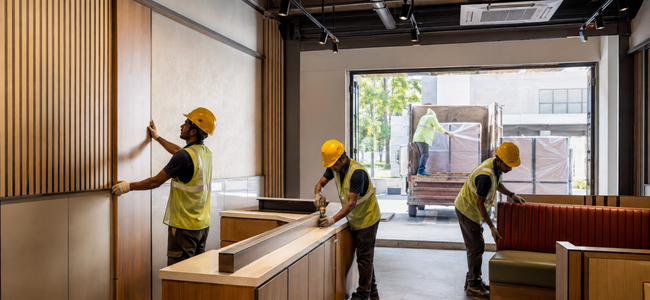
Flatpack construction has come a long way from its early reputation as a budget shortcut for basic furniture. Today, it's one of the fastest-growing approaches to restaurant and retail fit-outs — yet many F&B operators still hesitate, held back by outdated assumptions about what flatpack can and can't do. If you're considering this approach for your next project but aren't sure whether it can deliver the quality, customisation, and durability your space demands, it's time to separate fact from fiction.
Myth 1: Flatpack Construction Is Low-Quality
This is perhaps the most persistent misconception — and the easiest to disprove. Modern flatpack components are built using advanced manufacturing techniques and high-grade materials that ensure durability comparable to traditional building methods. Every component undergoes rigorous testing to meet industry standards designed for high-traffic restaurant environments, where heavy daily use, spills, and constant foot traffic are the norm rather than the exception.
The precision of factory-controlled production actually works in flatpack's favour here. Components are manufactured to exact tolerances in a controlled environment, then quality-checked before they ever reach your site — something that's far harder to guarantee with materials cut and assembled on-location.
Myth 2: Flatpack Lacks Customization
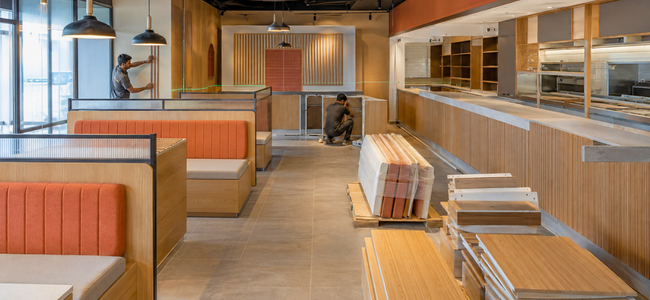
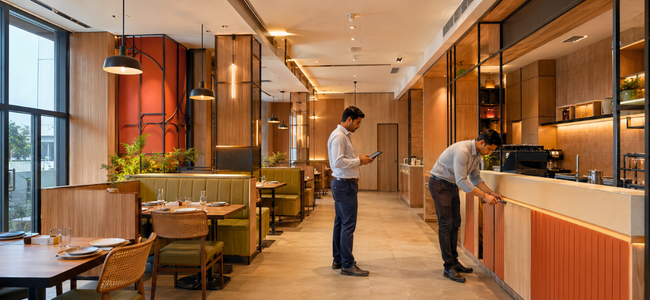
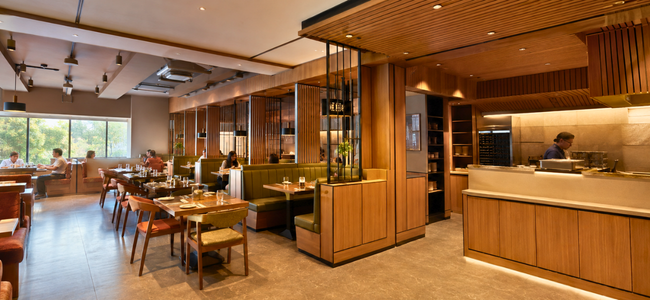
Another common assumption is that flatpack means generic, one-size-fits-all design. In reality, flatpack solutions offer significant adaptability. Customisation can range from bespoke booth seating to themed bar counters, with modular elements designed to support a wide variety of restaurant formats — from fine dining establishments to quick-service restaurants (QSRs) and cafés.
Because the underlying system is modular, designers have the flexibility to mix finishes, configurations, and layouts to match a brand's identity, without sacrificing the speed and consistency that flatpack is known for.
Myth 3: Flatpack Is Only Suitable for Small-Scale Projects
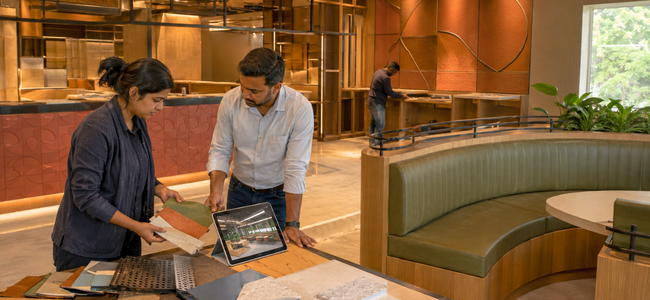
Some operators assume flatpack is only practical for small cafés or pop-ups. In fact, flatpack construction is just as viable for large-scale renovations and multi-location expansions. Offsite manufacturing streamlines project timelines considerably, making it particularly valuable for F&B chains that are scaling rapidly and need to maintain design consistency across every new outlet.
Whether you're fitting out a single neighbourhood restaurant or rolling out a brand across multiple cities, the same modular components and processes can be applied — with the added benefit of faster turnaround as your team becomes more familiar with the system.
Myth 4: Flatpack Isn't Durable Enough for F&B Spaces
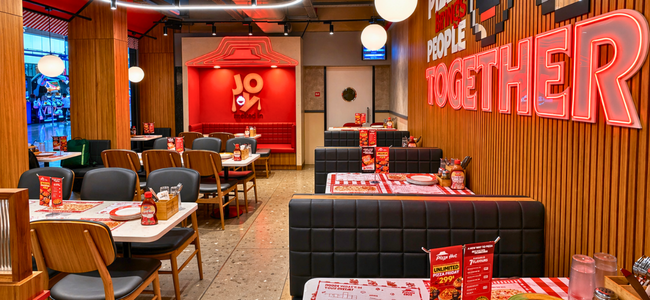
Durability concerns are understandable in an industry where surfaces and fixtures take a real beating every day. But flatpack components are built with this in mind, using materials such as laminated plywood, powder-coated metal panelling, and UV-resistant finishes — all chosen specifically to withstand the daily wear and tear of restaurant environments, from heat and moisture to constant cleaning and handling.
The Real Advantages of Flatpack Construction
Once the myths are cleared away, the advantages of flatpack construction become clear:
- Cost-effectiveness — reduced manufacturing and assembly expenses compared to traditional on-site builds
- Time efficiency — prefabricated components dramatically shorten project timelines
- Scalability — consistent design and quality across multiple locations as your brand grows
- Sustainability — reduced material waste and more efficient transport compared to conventional construction
A Practical Solution, Not a Compromise
Flatpack construction isn't about cutting corners — it's about enabling F&B brands to balance functionality, durability, and aesthetics without the delays and unpredictability of traditional builds. As more restaurants and retail spaces adopt this approach, the myths around flatpack are steadily giving way to a clearer picture: a practical, scalable, and design-flexible solution for modern hospitality spaces.
.jpeg)