
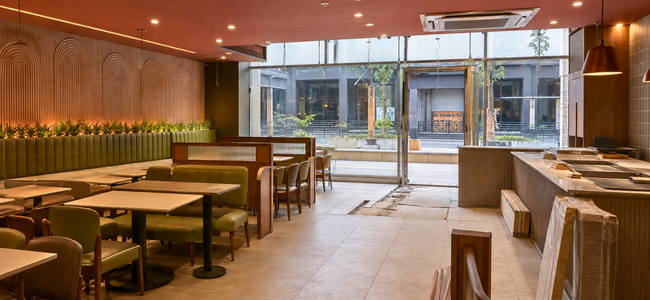
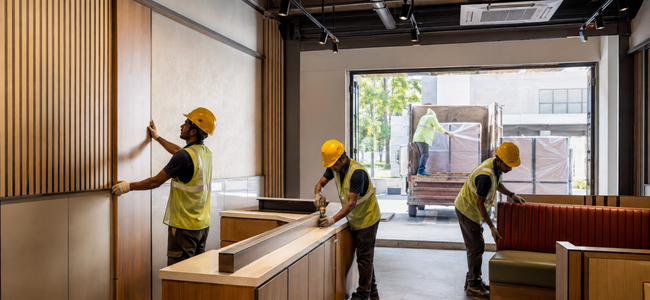
Choosing traditional construction for a restaurant fit-out can feel like the safer, more familiar path. But for many operators, that choice carries a long tail of hidden costs — financial, operational, and strategic — that don't show up until well after the build is underway. Selecting traditional construction over modular, factory-built approaches can result in substantial financial, operational, and strategic losses, ranging from postponed openings and elevated expenses to inconsistent branding and resource waste.
Note: cost estimates and timeframes referenced below reflect general industry patterns. Specific figures will depend on location, scope, restaurant size, material costs, and construction complexity.
1. Financial Leakages
Higher construction costs. On-site customisation generates 20–30% higher costs due to material overages, rework, and fragmented vendor pricing. Unexpected expenses are also the norm rather than the exception — around 78% of traditional projects exceed their budgets through delays, design changes, or contractor mistakes, whereas fixed-price modular solutions reduce that uncertainty significantly.
On top of direct costs, there's the lost revenue from postponed openings. Traditional builds typically take 3–6 months, compared to roughly 30 days with modular alternatives — every extra month closed is a month of earnings that simply disappears.
Inefficient scaling. Building multiple outlets through different vendors increases per-unit expenses and produces inconsistencies from one location to the next. Modular approaches reduce costs by 15–30% per outlet through bulk manufacturing and standardised designs.
2. Operational Inefficiencies
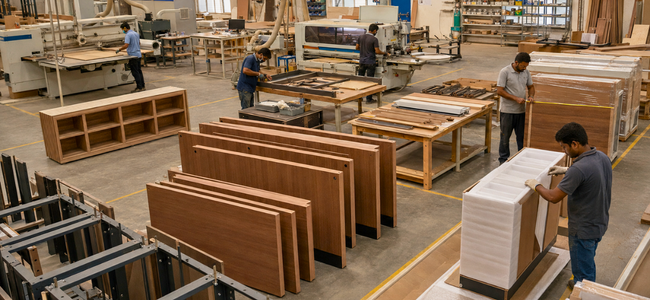
Vendor management chaos. Coordinating multiple trades on a traditional site creates delays and communication breakdowns. Around 63% of restaurateurs report project delays caused by vendor conflicts. Single-point coordination — where one partner manages the entire process — reduces management time by approximately 40%.
"Traditional methods require 3–6 months to complete a fit-out; modular approaches achieve the same scope in roughly 30 days. Extended timelines don't just cost money — they give competitors time to capture the market share you were counting on."
Slower time-to-market. Every additional week on-site is a week your competitors can use to open first, build a customer base, and establish themselves in the local market.
3. Brand & Customer Experience Risks
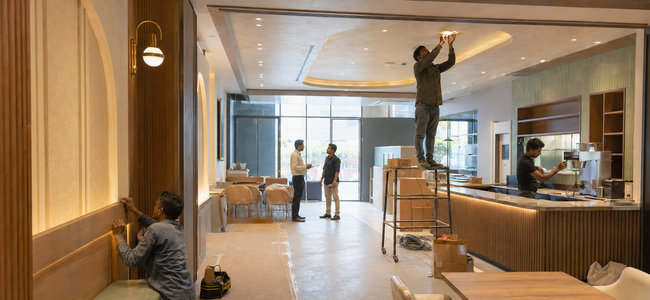
Inconsistent branding. Varying vendors across locations often produce mismatched furniture, lighting, and layouts — even when working from the same brief. This matters more than many operators realise: roughly 72% of customers expect an identical experience across chain locations, and any inconsistency can erode trust in the brand.
Quality control issues. On-site construction errors can cause uneven finishes, structural problems, or malfunctioning components. Factory-based production, by contrast, ensures around 99% consistency across components before they ever reach site.
4. Sustainability & Waste
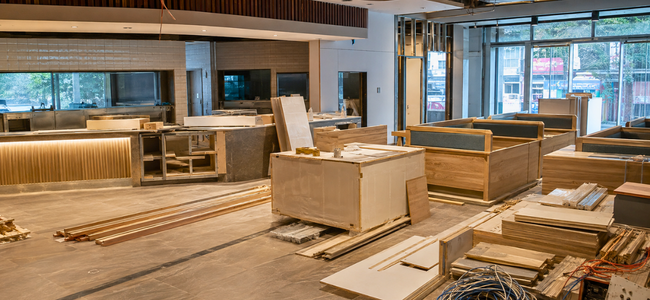
Environmental impact. Traditional construction discards roughly 30% of materials as waste. Modular approaches reduce material waste by 50–70% through precision-cut components — a difference that matters increasingly to environmentally conscious consumers who favour sustainable brands.
Non-reusable investments. Relocating a traditionally built restaurant typically means demolition and rebuilding from scratch. Modular elements, by comparison, are around 80% reusable — enabling relocation without unnecessary demolition costs.
5. Strategic Limitations
Inflexible growth. Expanding traditionally requires months of construction per location. Modular methods can enable as many as 10 outlets in 6 months versus 2–3 years with traditional construction, though actual timeframes vary by format and local regulations.
Lease lock-ins. Many restaurants end up renewing expensive leases simply to avoid the cost and disruption of rebuilding elsewhere. Modular solutions make relocation far easier, helping operators preserve their negotiating leverage with landlords.
Inability to refresh designs. Traditional remodelling is costly and disruptive, often requiring extended closures. Modular approaches permit seamless updates — swapping counters, lighting, or signage within days, without significant downtime.
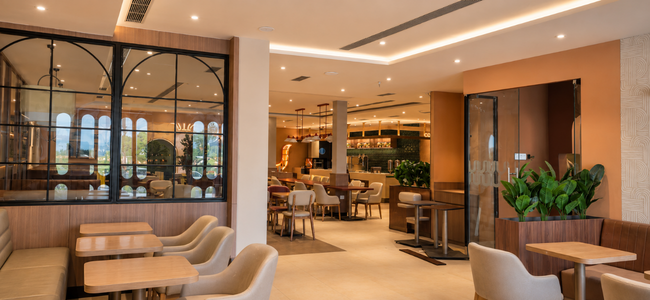
The Cost of Inaction
Relying on traditional construction represents both a financial burden and a strategic disadvantage. Decision-makers who stick with the conventional approach encounter delayed revenue, operational inefficiencies, and brand consistency challenges that compound over time.
Modular solutions go beyond simple cost reduction — they strengthen a restaurant brand's competitive positioning in an increasingly demanding industry.
.jpeg)